How FVB helps energy companies to improve safety and avoid fines
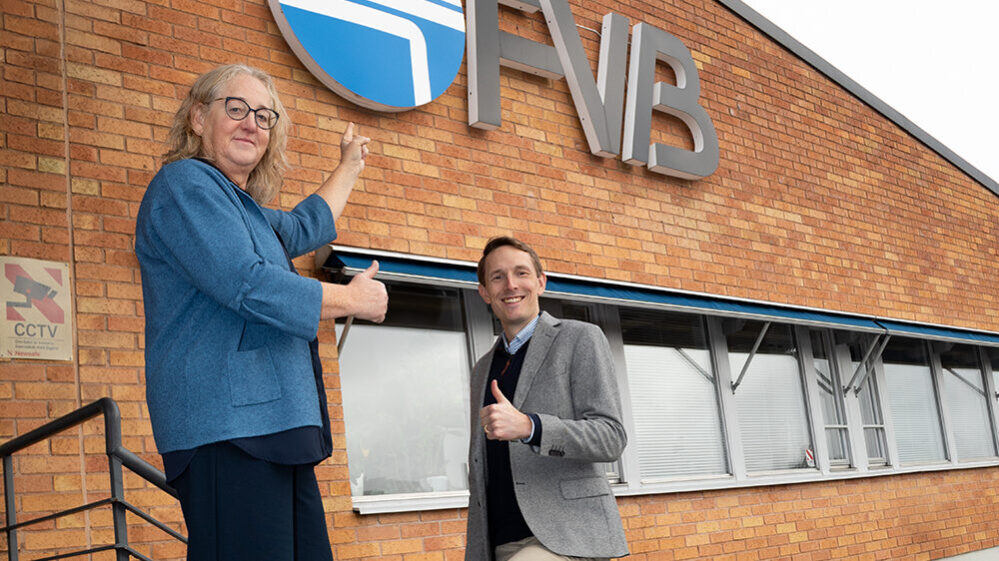
Many energy companies still lack regular inspection procedures for their pressure equipment – despite it being required by law. The consequences can include both serious safety defects and fines imposed by the Swedish Work Environment Authority. FVB’s Martin Andersson wants to help more companies with inspections, risk assessments and CE-marking.
Andersson joined FVB in October, bringing extensive experience of inspection work. He has worked as an inspector of pressure equipment within a range of inspection bodies, coming most recently from Mälarenergi, where he worked internally with such issues.
“Nowadays, plant owners have considerable responsibility. They have to produce risk assessments, conduct regular inspections and keep records of all their pressure equipment,” says Andersson. “But many of them are neither aware nor have time for all those activities, which is where FVB can help,” he adds.
Identify defects
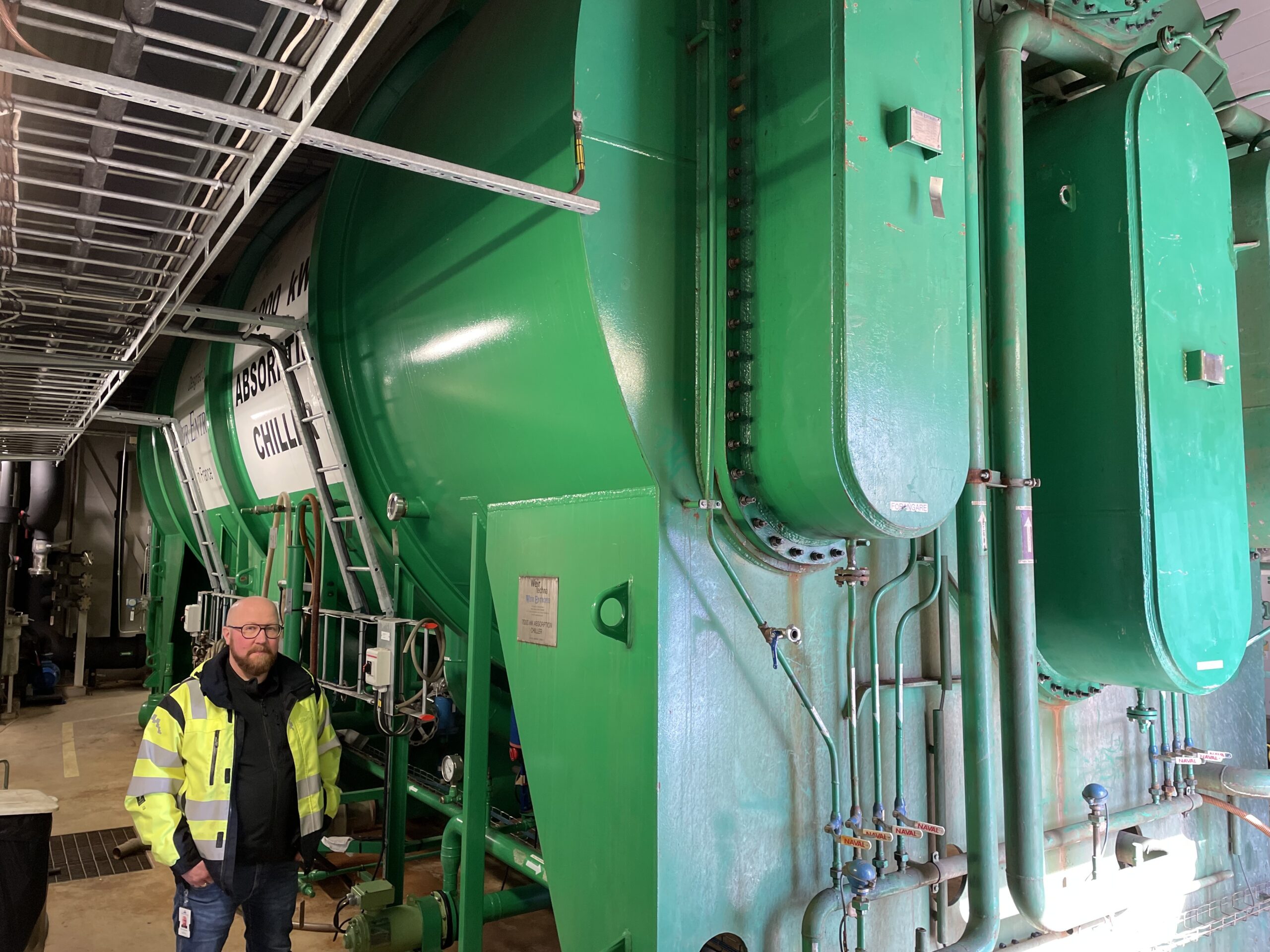
As a part of this work, the plant owner has to have a regular inspection programme. Regular inspections mean that defects in safety functions on pressure equipment can be identified at an early stage, from small-scale expansion vessels in a heating system to a boiler at a CHP. The objective is to achieve a safe plant and protect the personnel. If an inspection programme is not in place, the Work Environment Authority will impose a fine.
“Nevertheless, it’s far from everyone in the industry that has an inspection programme and there is a lot of under-reporting,” says Andersson, and stresses that this is a serious situation given the risk of safety defects on pressure equipment going undetected.
Complex rules
“The rules regarding pressure equipment are complex and extremely extensive. Understanding them, especially if you don’t work with them full-time, can therefore be hard. And that's why we can be a big help with such matters,” explains Andersson.
As a part of the service solution, he has developed a simple, clear program giving customers a comprehensive solution to meet the requirements for using pressure equipment.
Apart from meeting those requirements, plant owners also have to fulfil the EU Pressure Equipment Directive (PED) when manufacturing new pressure equipment, which often result in such products having to be CE-marked.
“For example, if an energy company contracts a welding firm to build a pipeline, it has to comply with the PED and then be CE-marked. Many people are not aware of the fact that such products have to be CE-marked even when built for their own company,” says Andersson.
“I have worked extensively with the PED and can help customers produce the right documentation for being able to CE-mark their own products,” he states.
FVB can also help with procurement and technical tender documentation to ensure that plant owners apply the correct requirements to suppliers regarding the documentation required according to the PED and for CE-marking.
For more details, contact:
Martin Andersson, +46 021-81 80 40.